 AyRoo
AyRoo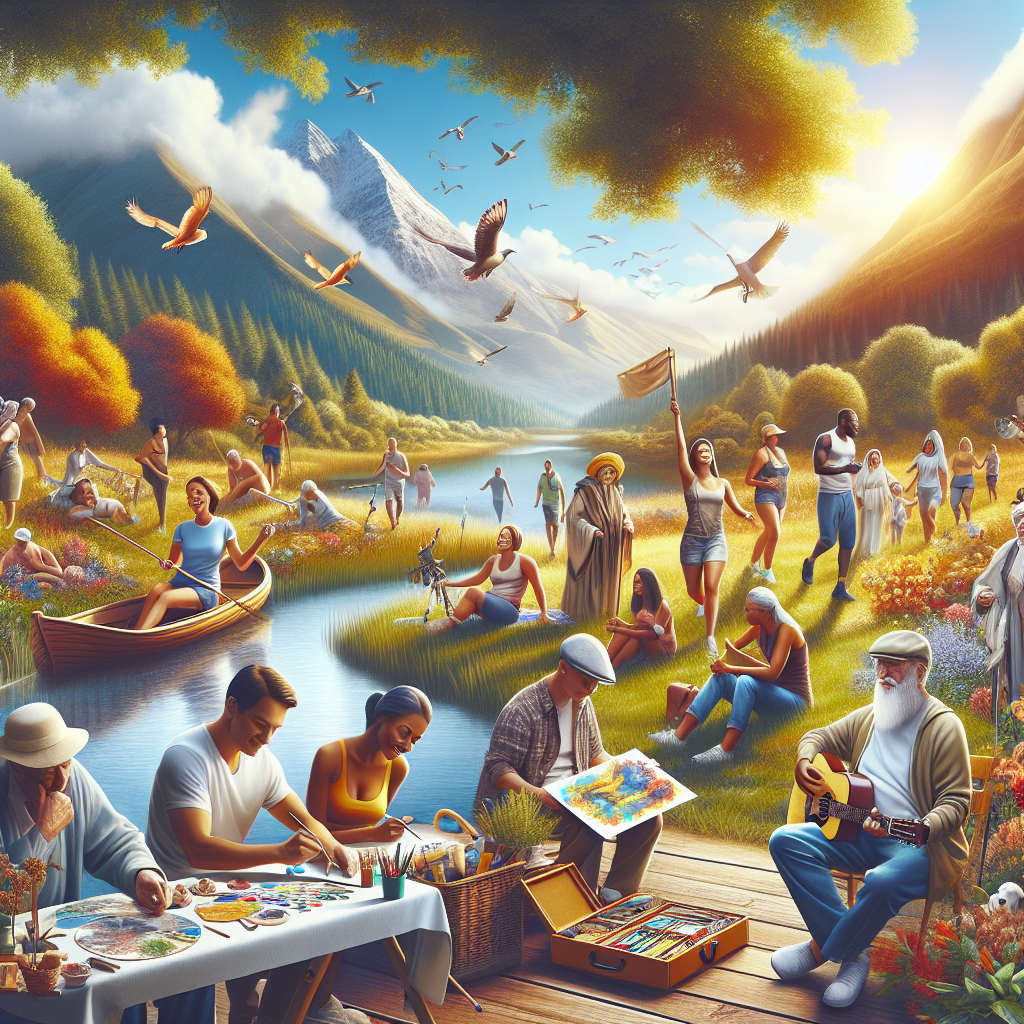
Introduction to Recreation
Recreation plays a pivotal role in enhancing the quality of life for people across all demographics. It encompasses a wide array of activities that individuals engage in for leisure, relaxation, and enjoyment. From the energetic buzz of team sports to the tranquil solitude of hiking through nature’s trails, recreation provides both physical and mental benefits.
The Historical Context of Recreation
Ancient to Modern Practices
Recreational activities have been a part of human history since ancient times. Ancient Greeks held the Olympics, considered one of the earliest and most prominent forms of organized recreation. Modern recreation, however, has expanded in scope and accessibility, adapting to cultural and technological changes over time.
The Evolution of Recreational Spaces
Parks and recreational spaces have evolved significantly. The Industrial Revolution saw the rise of public parks in urban areas, designed as refuges from the bustling city life. Today, modern cities continue to refine these spaces to accommodate diverse recreational activities tailored to community needs.
The Benefits of Recreation
Physical Health Benefits
Engaging in regular recreational activities is known to improve physical health. Activities such as running, swimming, and cycling bolster cardiovascular health, improve muscle strength, and aid in maintaining a healthy weight.
- Improved Fitness: Regular participation in recreational sports enhances endurance, flexibility, and overall physical fitness.
- Prevention of Chronic Diseases: Active recreation helps reduce the risk of chronic diseases like obesity, diabetes, and hypertension.
Mental and Emotional Well-being
Beyond physical health, recreation plays a crucial role in enhancing mental health. It is a natural stress reliever, fostering happiness and reducing anxiety.
- Stress Reduction: Recreational activities encourage relaxation and provide a break from the stresses of daily life.
- Social Connections: Many recreational activities involve social interactions that help improve communication skills and build lasting relationships.
Recreational Activities Across Different Demographics
Children and Youth
For children and adolescents, play is an essential form of recreation that promotes healthy development. It not only contributes to physical health but also supports cognitive and social development.
Adults
Adults often seek recreation as a means to balance the demands of work and family life. Physical activities such as yoga and jogging are popular among this demographic, helping them manage stress and stay fit.
Seniors
Recreation for seniors might include activities such as walking clubs, tai chi, and gardening, which promote mobility and social interaction, essential for maintaining quality of life in older age.
Challenges and Future Directions in Recreation
Importance of Access and Inclusivity
Ensuring access to recreation facilities and programs for all socioeconomic groups is a significant challenge. Efforts to increase inclusivity and affordability are crucial for maximizing the benefits of recreational activities.
The Role of Technology
The digital age has brought about new forms of recreation, including e-sports and augmented reality games. As technology continues to advance, the landscape of recreational activities is set to evolve, presenting both opportunities and challenges.
Conclusion: The Universal Value of Recreation
Recreation, in its many forms, plays an indispensable role in enhancing well-being and quality of life. By fostering physical, mental, and social health, it serves as a universal language that connects people across the globe. As societies continue to evolve, the importance of recreation in daily life remains significant, reminding us of our need to balance work with leisure.