 AyRoo
AyRoo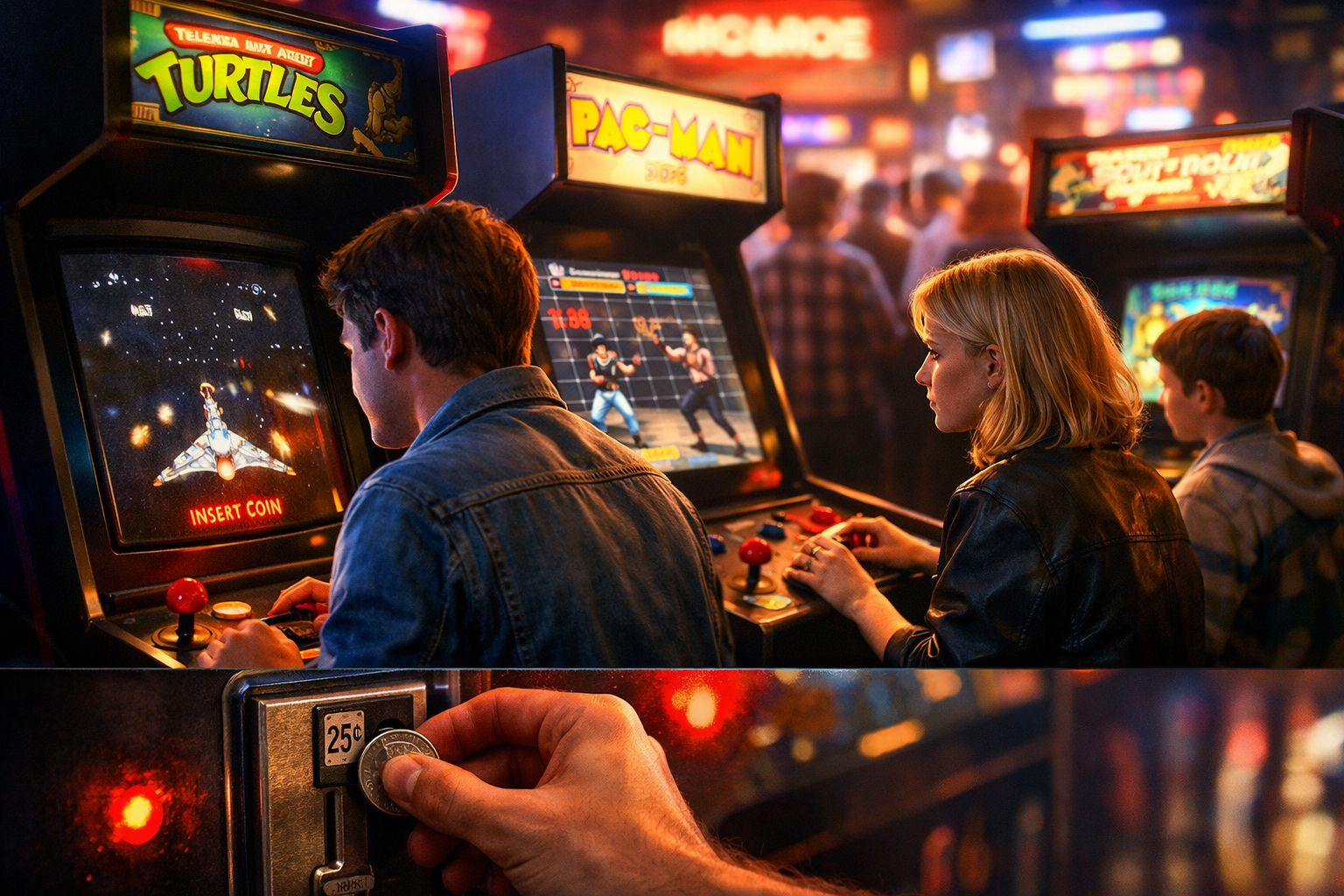
The Enduring Appeal of Coin-Op Games
Coin-op games, short for coin-operated games, occupy a special place in the history of entertainment. Designed to start with the drop of a coin, token, or credit, these machines brought gaming into public spaces and turned play into a shared social activity. Whether found in bustling arcades, seaside promenades, cinemas, bowling alleys, bars, or family entertainment centers, coin-op machines created an immediate and accessible form of fun that appealed to all ages.
What makes coin-op gaming so distinctive is its blend of simplicity and excitement. A player does not need to install software, read a lengthy tutorial, or commit to a long session. Instead, the machine invites instant participation. Lights flash, sounds call out, and within seconds the player is engaged in a challenge that is easy to begin yet often difficult to master.
A Brief History of Coin-Op Entertainment
The roots of coin-op entertainment stretch back to mechanical amusements long before the rise of video games. Early machines included strength testers, fortune tellers, pinball tables, and skill-based mechanical games. These devices combined novelty, craftsmanship, and competitive fun, establishing the commercial model that later arcade games would refine.
The golden age of coin-op video gaming emerged in the late 1970s and early 1980s. Games such as Space Invaders, Pac-Man, Donkey Kong, and Galaga became cultural phenomena. Arcades turned into gathering places where players chased high scores, watched each other’s techniques, and developed local rivalries. The cabinet itself became iconic: a glowing screen set into a colorful machine decorated with bold artwork and memorable sound effects.
By the 1990s, coin-op experiences evolved further with fighting games, racing cabinets, light gun shooters, rhythm games, and multiplayer sports simulators. Titles like Street Fighter II, Daytona USA, and Dance Dance Revolution showed that the coin-op format could deliver physical, social, and highly competitive gameplay that home systems struggled to match at the time.
What Defines a Coin-Op Game?
At its core, a coin-op game is any amusement machine activated by payment. That payment may now be digital, using cards or app-based credits, but the design philosophy remains the same: short sessions, clear objectives, and strong replay value. Unlike many home games that focus on long narratives, coin-op games are often built around immediate engagement.
- Quick start: Players can begin almost instantly.
- Short play loops: Sessions are often measured in minutes.
- High replayability: Players are encouraged to try again to improve scores or skills.
- Public setting: Coin-op machines are designed for shared spaces and spectator appeal.
- Physical interface: Cabinets, pedals, guns, sticks, buttons, and dance pads add tactile immersion.
Popular Types of Coin-Op Games
Video Arcade Cabinets
These are the most recognizable coin-op machines. They range from classic single-screen games to modern cabinets with large displays, linked multiplayer systems, and motion feedback. Their main strength lies in instantly readable gameplay and dramatic presentation.
Pinball Machines
Pinball remains one of the most beloved forms of coin-op entertainment. Combining precision, physics, flashing lights, and mechanical artistry, pinball offers a uniquely hands-on challenge. Skilled players learn table layouts, shot timing, and scoring strategies that turn every ball into a tactical performance.
Redemption Games
Redemption machines reward players with tickets or points that can be exchanged for prizes. Popular in family entertainment venues, these games blend chance and skill. Basketball toss games, claw machines, and spinning wheel attractions all belong to this broad category.
Racing and Motion Simulators
Driving cabinets, motorcycle simulators, and motion-based games elevate the coin-op experience through physical movement and specialized controls. Their appeal comes from offering an experience that feels more like an attraction than a standard game.
Light Gun and Rhythm Games
Light gun shooters and rhythm cabinets are ideal examples of why coin-op still matters. They depend on purpose-built hardware that creates a richer experience than standard home controls. Drumming, dancing, and shooting become public performances as much as gameplay sessions.
Why Coin-Op Games Became Cultural Icons
Coin-op games succeeded not just because they were entertaining, but because they created communities. Arcades were places where people met friends, challenged strangers, and learned by watching others play. The environment was energetic and competitive, yet also welcoming to casual participants who simply wanted a few minutes of fun.
High-score tables gave players a reason to return. A three-letter name on a leaderboard could become a local badge of honor. In many ways, coin-op gaming introduced early forms of competitive ranking and social visibility that now define online multiplayer culture.
The visual and audio identity of coin-op games also left a lasting mark. Cabinet art, attract screens, synthesized music, and distinctive sound effects became part of popular culture. Even today, retro aesthetics in modern games often borrow directly from the arcade era.
The Business of Coin-Op Gaming
From an operator’s perspective, coin-op games balance entertainment with revenue efficiency. A well-placed machine can generate steady income from repeated short sessions. This encouraged developers to design games that were inviting, exciting, and challenging enough to encourage another credit.
Venue owners also benefit from the versatility of coin-op machines. Different formats can be selected for different audiences, from competitive fighter cabinets for dedicated players to prize-based redemption games for families. Modern systems often replace physical coins with reloadable cards, making usage tracking and maintenance easier while preserving the familiar pay-to-play model.
Coin-Op Games in the Modern Era
Although home consoles, mobile gaming, and online platforms reduced the dominance of traditional arcades, coin-op gaming never truly disappeared. Instead, it adapted. Today’s arcades often mix retro cabinets with immersive attractions, esports-inspired setups, and ticket-based family games. Barcades, boutique arcades, and retro gaming venues have also helped introduce classic coin-op experiences to new generations.
Collectors and preservationists play an important role as well. Restored cabinets, original pinball tables, and curated arcade spaces keep the history of coin-op gaming alive. For many players, these machines offer something digital downloads cannot: a physical object with presence, personality, and a direct connection to gaming’s public past.
Why Coin-Op Still Matters
Coin-op games remain important because they represent a form of play that is immediate, social, and tangible. They remind us that gaming has never been only about technology; it has also been about place, atmosphere, and shared excitement. A coin-op machine invites not just a player, but an audience, a rival, or a friend standing nearby ready for the next turn.
In a world increasingly shaped by private screens and remote interaction, coin-op gaming continues to offer a rare and memorable kind of entertainment: play that happens in the moment, in public, and often side by side with others. That enduring combination is why coin-op games are still celebrated, collected, and played today.