 AyRoo
AyRoo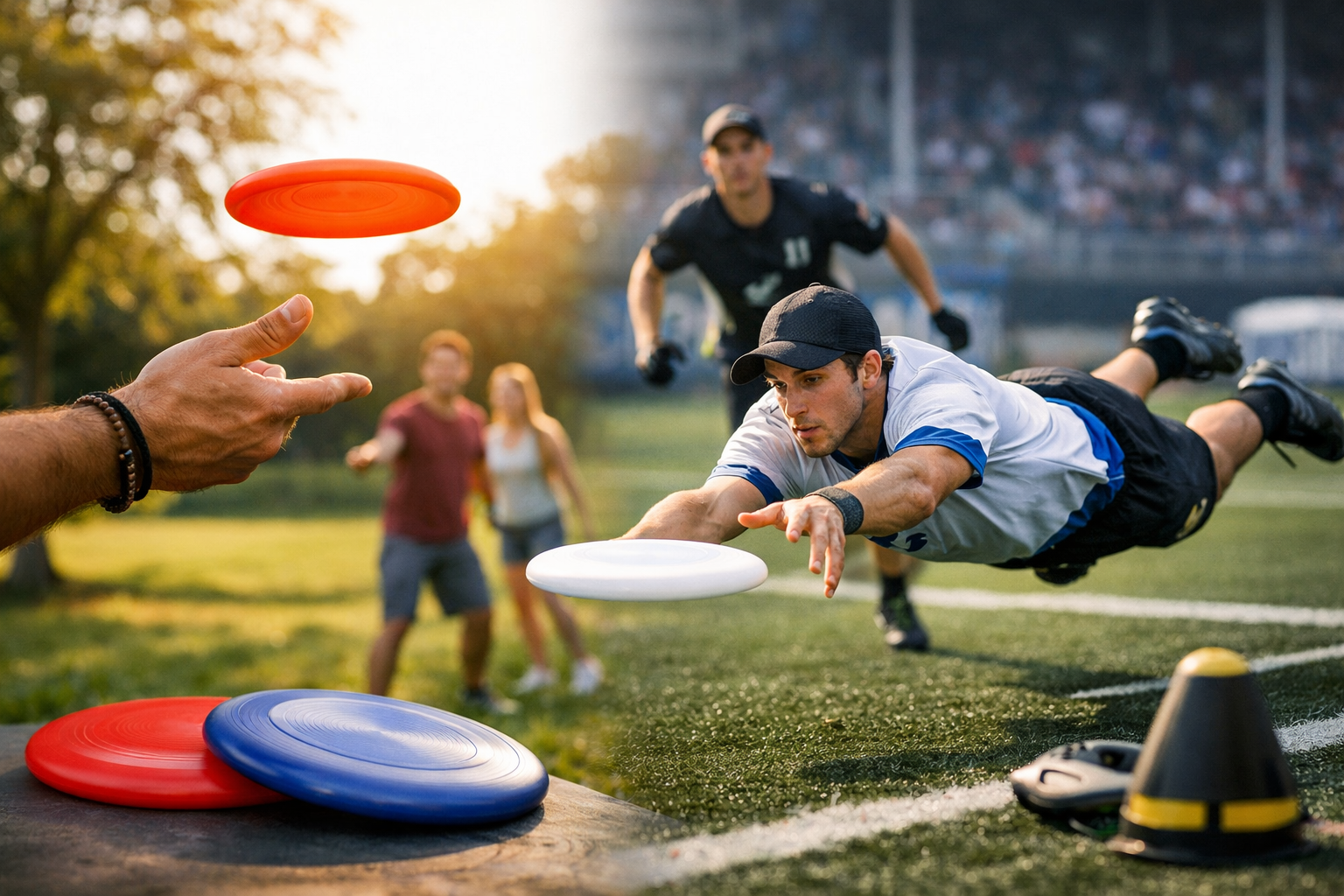
The Rise of Flying Discs as Serious Sport
Flying discs have evolved far beyond beach games and backyard fun. What began as a simple recreational activity has developed into a family of organized sports played in schools, parks, clubs, and international competitions. Today, flying disc sports attract athletes of all ages because they combine speed, coordination, endurance, and skill with a relatively low barrier to entry.
Unlike many traditional sports, flying disc games often emphasize self-officiating, sportsmanship, and inclusive participation. This unique culture has helped fuel their popularity around the world. Whether played on grass, sand, or specially designed courses, disc-based sports reward both physical ability and intelligent decision-making.
What Makes a Flying Disc Unique?
A flying disc is designed to generate lift as it spins through the air. Its shape, rim, and rotational stability allow players to throw it in a wide variety of ways, creating curves, floats, skips, and fast straight-line flights. This makes flying discs especially versatile in sport, where precision and control are just as important as power.
Because the disc reacts to angle, speed, and wind, players must develop strong technique. A slight adjustment of wrist snap or release point can dramatically change the flight path. Mastering these details is one reason disc sports are so rewarding for beginners and experienced athletes alike.
Popular Flying Disc Sports
Ultimate
Ultimate is one of the most widely recognized flying disc sports. It is typically played between two teams that move the disc down the field by passing. Players cannot run while holding the disc, so success depends on quick movement, timing, and teamwork. A point is scored when a player catches the disc in the opposing end zone.
Ultimate is known for its fast pace and continuous action. Players sprint, cut, jump, and dive while trying to create space and complete accurate throws. Another defining feature is the “Spirit of the Game,” a principle that places responsibility for fair play on the athletes themselves. This culture of mutual respect sets Ultimate apart from many other competitive sports.
Disc Golf
Disc golf applies the principles of traditional golf to flying discs. Instead of hitting a ball into a hole, players throw specialized discs toward a metal basket target. The objective is to complete each hole in as few throws as possible. Courses often include trees, hills, water, and other natural obstacles that challenge shot selection and accuracy.
Different discs are used for different purposes, including drivers for distance, mid-range discs for control, and putters for short, accurate finishes. Disc golf appeals to a broad audience because it can be played recreationally or at an elite competitive level, and courses are often located in public parks.
Freestyle Flying Disc
Freestyle is a creative and highly technical discipline focused on trick catches, spins, delays, and coordinated routines. Players perform individually or in teams, often choreographing sequences that demonstrate control, originality, and flair. Freestyle requires excellent hand-eye coordination and deep understanding of disc movement, making it both athletic and artistic.
Guts and Other Disc Games
Guts is a fast-reaction team sport in which players throw the disc at opponents, who must catch it cleanly with one hand. The game is intense, demanding courage and sharp reflexes. Other flying disc competitions include accuracy events, distance throwing, and double disc court, each highlighting a different aspect of disc skill.
Skills Required in Flying Disc Sports
Although each discipline has its own rules and tactics, several core skills are shared across flying disc sports. Successful athletes develop a blend of technical ability, fitness, and game awareness.
- Throwing technique: Common throws include backhand, forehand, hammer, and scoober, each useful in different situations.
- Catching ability: Secure catching under pressure is essential, especially when running or defending closely contested plays.
- Movement and agility: Quick changes of direction, acceleration, and balance are critical in team disc sports.
- Spatial awareness: Players must read angles, anticipate opponents, and judge disc flight in changing wind conditions.
- Strategy: Positioning, timing, and shot selection often determine success more than raw strength alone.
The Role of Physics and Environment
Flying disc sports are closely tied to aerodynamics. Wind can lift a disc, knock it off course, or help shape advanced throws. This means players are constantly reading environmental conditions and adapting their choices. A throw that works perfectly on a calm day may become risky in strong crosswinds.
Field surface and terrain also matter. In Ultimate, wet grass can affect traction and cutting speed. In disc golf, wooded courses require touch and placement, while open courses may reward distance. This environmental interaction gives flying disc sports a dynamic quality that keeps every game and round slightly different.
Why Flying Disc Sports Continue to Grow
One of the greatest strengths of flying disc sports is accessibility. Basic equipment is affordable, and many games can begin with a single disc and an open space. This simplicity makes the sports welcoming to newcomers, schools, community groups, and families.
At the same time, there is significant room for progression. Players can move from casual play to leagues, tournaments, and advanced competition. The sports also appeal to people looking for alternatives to heavily contact-based games, while still offering intensity, athletic challenge, and strategic depth.
Another reason for growth is the strong social culture surrounding many disc communities. Players often value respect, inclusivity, and shared enjoyment as much as competition. This positive atmosphere encourages long-term participation and helps introduce new generations to the sport.
Getting Started with Flying Discs
For beginners, the best way to start is simple: learn a reliable backhand throw, practice catching with both hands, and spend time understanding how release angle affects flight. Joining a local Ultimate league or visiting a disc golf course can quickly turn casual interest into a lasting hobby.
As skills improve, players often explore specialized discs, advanced throws, and more structured training. Warm-ups, footwork drills, and repeated throwing practice all help build consistency. Most importantly, regular play develops the instinctive timing and confidence that define strong disc athletes.
Conclusion
Flying discs have earned a respected place in the world of sport by combining technique, athleticism, strategy, and fun. From the teamwork of Ultimate to the precision of disc golf and the creativity of freestyle, these sports offer something for nearly everyone. Their continued growth reflects not only the excitement of play, but also the welcoming culture and unique challenge that only a flying disc can provide.