 AyRoo
AyRoo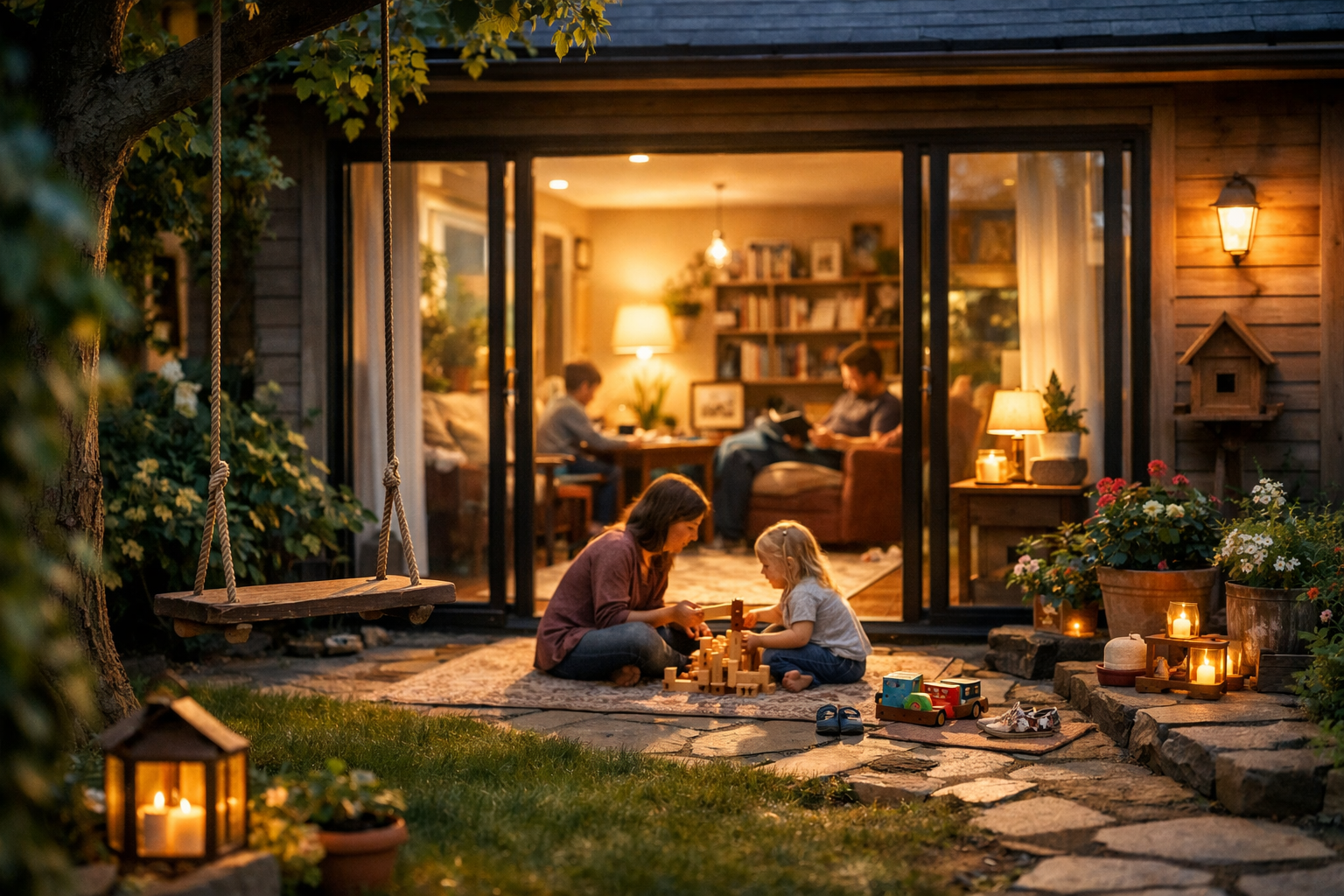
What Home Really Means
The word home carries a meaning far deeper than walls, windows, and a roof. It can describe a house, an apartment, a rented room, a family property, or even a place that exists mainly in memory. For many people, home is the setting where life unfolds in its most honest form. It is where routines begin, where celebrations happen, where grief is processed, and where rest becomes possible.
Unlike a building, home is partly physical and partly emotional. It is created through familiarity, relationships, and the small details that make a space feel safe and recognizable. A chair placed by a sunny window, the smell of food from the kitchen, a favorite blanket, or the sound of a loved one returning at the end of the day can all become essential parts of that feeling.
The Emotional Power of Home
Home often serves as a person’s emotional anchor. In a fast-moving world filled with change, pressure, and uncertainty, people look to their homes for stability. This is why even simple spaces can feel valuable when they offer peace and belonging. A luxurious interior may look impressive, but comfort and emotional security are what truly define a home.
Memories also give home its lasting power. Childhood bedrooms, family meals, holiday traditions, and ordinary evenings all leave impressions that stay with people for years. Even after someone moves away, the idea of home may remain connected to a particular place, voice, neighborhood, or routine.
Why Home Matters Emotionally
- Security: Home provides shelter, privacy, and a sense of protection.
- Belonging: It is often the place where people feel accepted as they are.
- Identity: Home reflects personal values, culture, and lifestyle.
- Recovery: It gives space for rest, healing, and emotional reset.
Home as a Reflection of Identity
Every home tells a story. The way a space is arranged, decorated, and used often reveals the personality of the people living there. Some homes are lively and colorful, filled with artwork, books, and conversation. Others are minimalist and quiet, designed to reduce stress and create order. Neither approach is more correct than the other; both show how home becomes an extension of identity.
Cultural traditions also shape the feeling of home. The foods prepared, the objects displayed, the language spoken, and the rituals practiced all contribute to a home’s unique character. In this way, home can preserve heritage across generations. It becomes a living record of where a family has come from and what it values.
The Difference Between a House and a Home
A house is a structure. A home is a lived experience. Someone can own a beautiful house and still feel disconnected within it, while another person may live in a small or modest place that feels deeply welcoming. The difference often comes from care, attention, and emotional connection rather than size or price.
Turning a house into a home usually happens slowly. It is built through daily life: hanging photographs, sharing meals, arranging furniture for comfort, and creating routines that support the people who live there. Home grows over time, shaped by habits and relationships as much as by design.
Elements That Help Create a Home
- Comfortable spaces for rest and conversation
- Personal items such as photos, books, art, and souvenirs
- Functional design that supports everyday needs
- Warm lighting and thoughtful textures
- Routines and traditions that bring consistency and meaning
The Practical Side of Home
While the emotional meaning of home is powerful, practical qualities matter too. A good home should support health, safety, and daily living. Clean air, natural light, storage, privacy, and comfort all influence how people feel in a space. A well-functioning home does not need to be large or expensive, but it should meet basic needs in a way that makes life easier rather than harder.
Modern ideas of home increasingly focus on flexibility. Many people now need spaces that can serve multiple purposes, such as working, studying, exercising, or relaxing. This has changed how homes are organized. A dining table may also become a workspace, and a spare corner may be turned into a reading nook or office. The best homes adapt to real life rather than forcing people into rigid patterns.
How to Make a Home Feel More Meaningful
Creating a better home does not always require a major renovation. Often, the most effective changes are simple and intentional. Small improvements can make a space feel calmer, more useful, and more personal.
- Declutter regularly to reduce stress and create room to breathe.
- Add personal touches that reflect memories, interests, and values.
- Use lighting wisely to create warmth and comfort.
- Bring in natural elements such as plants, wood, and fresh air.
- Design for daily habits so the home supports how life is actually lived.
- Protect quiet moments by creating spaces for rest and reflection.
Home in a Changing World
The meaning of home continues to evolve. People move more often, families take different forms, and digital life changes how spaces are used. For some, home is shared with relatives across generations. For others, it is a solo apartment, a student room, or a place rebuilt after major life changes. Despite these differences, the human need for home remains constant.
Home does not have to be perfect to be meaningful. It can be temporary, growing, imperfect, or still in progress. What matters most is the sense of care it holds. A true home supports life not just by containing it, but by nurturing it.
Conclusion
Home is one of the most important spaces in human life because it combines function, memory, identity, and emotion in one place. It shelters the body, but it also supports the mind and spirit. Whether large or small, permanent or temporary, elegant or simple, a home becomes meaningful when it offers comfort, belonging, and a place to return to. In the end, home is not just where we live; it is where life becomes personal.