 AyRoo
AyRoo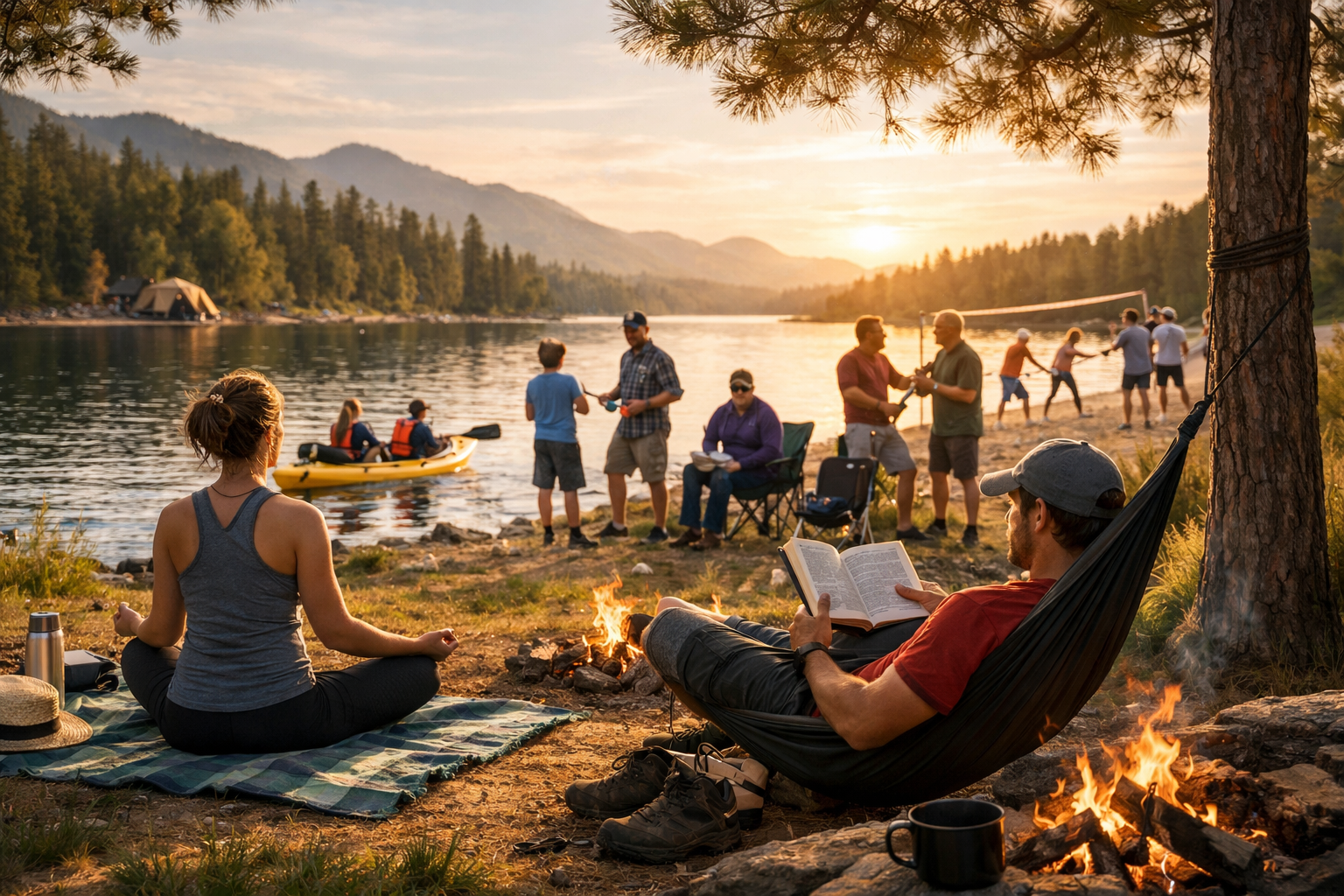
What Recreation Really Means
Recreation comes from the idea of “re-creating” yourself: restoring energy, attention, and emotional balance through activities chosen for enjoyment and renewal. While leisure is the free time you have, recreation is what you do with that time. It can be active or quiet, social or solitary, structured or spontaneous. A short walk after work, a pick-up basketball game, painting, gardening, or visiting a local museum can all be recreational when the purpose is to recharge and feel more fully alive.
In modern life, recreation often competes with work demands, digital distractions, and the pressure to be productive. Yet the paradox is that well-chosen recreation increases long-term productivity by improving sleep, mood, and resilience. It is not a luxury; it’s part of a healthy rhythm.
Why Recreation Matters
Physical Health and Mobility
Many recreational activities naturally support cardiovascular fitness, strength, coordination, and flexibility. Even moderate movement—cycling, swimming, dancing, hiking—can counteract sedentary routines and reduce risk factors for chronic disease. Importantly, recreation tends to be more sustainable than exercise performed solely out of obligation because it carries intrinsic motivation: people return to what they genuinely enjoy.
Mental Restoration and Stress Relief
Recreation offers a break from constant decision-making and performance pressure. Activities that absorb attention—such as playing music, woodworking, or rock climbing—can produce a “flow” state, where time feels altered and worries quiet down. Nature-based recreation adds another layer: exposure to green spaces is associated with reduced stress, improved mood, and better attention.
Social Connection and Belonging
Shared recreation creates low-pressure opportunities to bond. Community sports leagues, walking groups, hobby clubs, and volunteering-based outings build trust and familiarity over time. These social ties matter: they can buffer stress, reduce loneliness, and strengthen civic life. Recreation is one of the most accessible ways to create “third places”—spaces beyond home and work where relationships can grow.
Creativity and Identity
Recreation supports self-expression. Creative pursuits—writing, photography, cooking, crafts—help people explore identity outside of job titles and roles. This can be especially protective during life transitions such as retirement, relocation, or recovery from illness, when routines shift and a sense of self may feel unsteady.
Types of Recreation: Finding What Fits
Recreation is not one-size-fits-all. A balanced “recreation menu” often includes a mix of movement, creativity, social time, and recovery. Consider these broad categories:
- Active recreation: hiking, jogging, team sports, martial arts, skating, kayaking.
- Outdoor and nature-based recreation: birdwatching, camping, fishing, gardening, beachcombing.
- Creative recreation: drawing, music, ceramics, DIY projects, creative writing.
- Social recreation: game nights, community events, dance classes, clubs and meetups.
- Restorative recreation: yoga, gentle stretching, reading for pleasure, puzzles, mindfulness walks.
The best choices align with your current season of life. During stressful periods you may prefer low-friction activities that calm the nervous system. When you feel stagnant, novelty and challenge can be energizing.
Designing a Sustainable Recreation Habit
Start With Energy, Not Time
People often say they “don’t have time,” but the bigger barrier is frequently depleted energy. Begin by choosing activities that return energy quickly: a 20-minute walk, a short swim, a phone-free hour of reading, or a simple craft. As your baseline improves, longer or more demanding activities become easier to maintain.
Lower the Activation Barrier
Make recreation the easiest good choice. Keep a packed day-hike bag by the door, store a basketball in the car, place a sketchpad on the table, or pre-schedule a weekly class. The fewer steps required to begin, the more likely you are to follow through.
Use Variety to Prevent Burnout
Even enjoyable activities can become routine. Rotate options: one social activity, one outdoor outing, and one at-home restorative practice each week. Variety also spreads physical load and reduces injury risk if your recreation is movement-heavy.
Track Feelings, Not Just Frequency
Instead of counting only hours, notice outcomes. After each activity, ask: Do I feel calmer, stronger, more connected, more inspired? Over time you will identify which activities truly restore you versus those that merely fill time.
Recreation Across the Lifespan
Children and Teens
Play is foundational recreation for young people. It develops coordination, creativity, cooperation, and emotional regulation. Unstructured play and outdoor exploration are especially valuable as complements to school and organized activities.
Adults
For adults balancing work and responsibilities, recreation often needs to be intentional. Micro-recreation—short, repeatable breaks like lunchtime walks, evening bike rides, or quick creative sessions—can keep stress from accumulating. Social recreation becomes particularly important as friendships may require more planning than in earlier years.
Older Adults
Recreation supports mobility, cognitive health, and social engagement. Activities such as walking groups, swimming, gardening, tai chi, dancing, and lifelong learning programs can maintain independence and purpose. Adaptations (supportive footwear, shorter routes, seated options) help keep recreation accessible and safe.
Digital Recreation: Benefits and Boundaries
Digital recreation—gaming, online communities, streaming, creative apps—can be genuinely restorative, especially when it provides social connection or sparks creativity. The key is intentionality. Passive scrolling often leaves people feeling drained, while interactive or skill-building digital activities may energize and connect. A practical boundary is to pair digital recreation with physical cues: take breaks, protect sleep hours, and balance screen-based time with movement and real-world interaction.
Recreation as a Community Asset
Parks, trails, recreation centers, libraries, and community arts programs are not just amenities; they are public health infrastructure. Accessible recreation reduces barriers related to cost, transportation, and safety. When neighborhoods have well-maintained green spaces and inclusive programming, residents are more likely to be active, meet neighbors, and feel pride in their surroundings.
Choosing Your Next Recreational Step
If recreation has been missing from your routine, start small and specific. Pick one activity that feels appealing, define when you will do it, and remove obstacles ahead of time. Over weeks, the goal is not perfection but momentum—a regular practice of renewal. Recreation is ultimately a way of caring for yourself and your relationships, helping you return to daily life with more patience, strength, and joy.