 AyRoo
AyRoo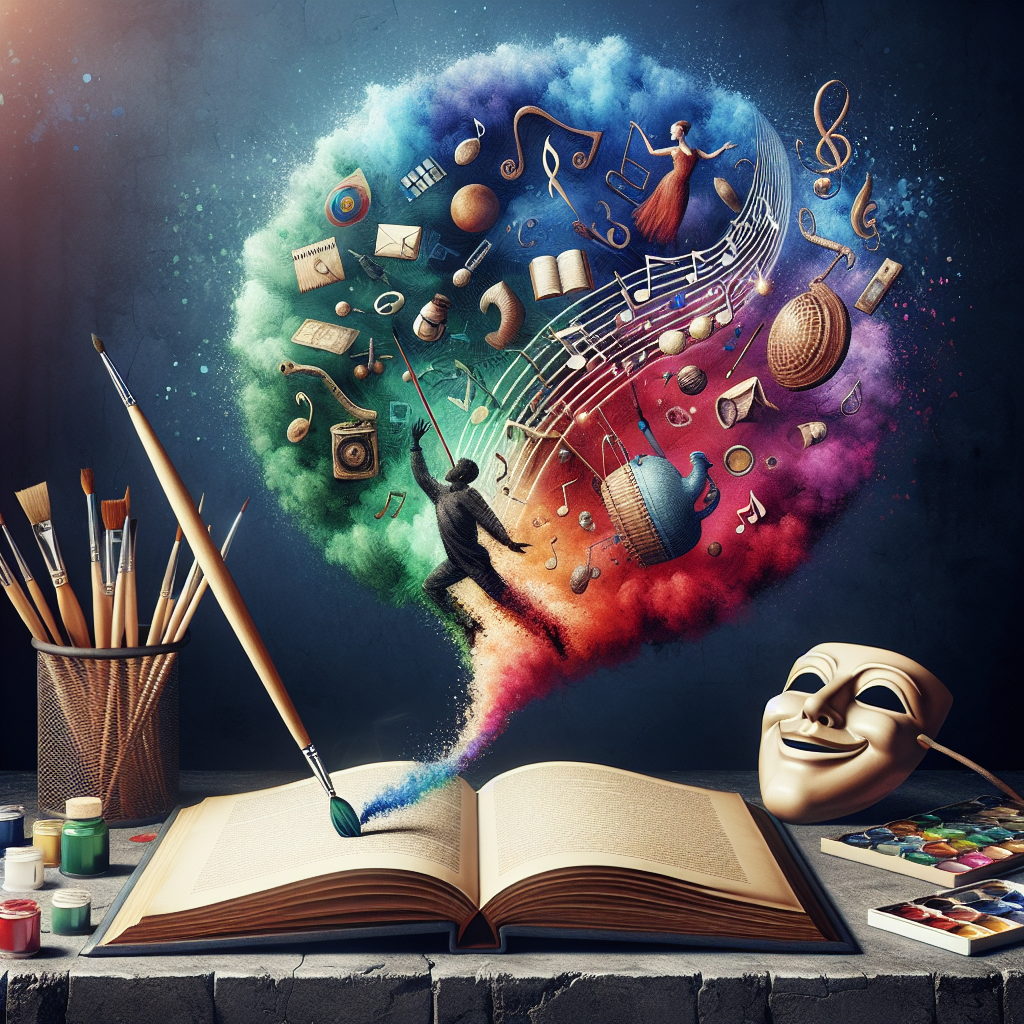
What We Mean by “Arts”
The arts are the many ways human beings shape experience into something shareable—through sound, movement, images, stories, spaces, and performances. They include familiar forms such as painting, music, dance, theater, literature, film, and architecture, as well as newer practices like digital media, interactive installations, and game design. While the arts can entertain, they also help people interpret the world, express identity, process emotion, and imagine alternatives to what already exists.
What makes something “art” is not only the medium but also the intention and the context. A photograph can be documentation, personal memory, or conceptual critique. A building can be pure utility or a cultural symbol. Arts continually evolve because society, technology, and audiences evolve.
Major Branches of the Arts
Visual Arts
Visual arts communicate primarily through what we see—composition, color, texture, scale, and symbolism. Drawing, painting, sculpture, photography, printmaking, ceramics, and mixed media all fall under this umbrella. Visual arts can be intimate (a small sketchbook study) or monumental (public murals, land art, large-scale installations). They often invite viewers to slow down and notice patterns in everyday life: light on a wall, a gesture in a crowd, or the tension between beauty and discomfort.
Performing Arts
Performing arts are time-based and embodied: dance, theater, opera, spoken word, and live music. A key feature is presence—the shared moment between performers and audience. Even when recorded, the performing arts carry traces of liveness: breath, timing, improvisation, and the physical choices made in the room. Because they unfold in time, they can build suspense, release, repetition, and transformation in a way that mirrors lived experience.
Literary Arts
Literary arts use language as a creative instrument. Fiction, poetry, essays, memoir, and drama explore voice, metaphor, rhythm, and narrative structure. Literature can extend empathy by letting readers inhabit minds unlike their own. It can also preserve memory—personal and collective—by putting a name to events that might otherwise fade.
Applied and Design Arts
Design-oriented arts shape the tools and environments of daily life: graphic design, fashion, industrial design, interior design, architecture, and animation. These disciplines balance function with feeling. A well-designed chair supports the body, but it can also signal status, tradition, sustainability, or play. Architecture, in particular, demonstrates how art and public life intersect—through light, circulation, accessibility, and the cultural stories buildings tell.
Why Arts Matter in Society
The arts are often described as “nonessential,” yet they are among the strongest ways communities define what they value. Arts can celebrate heritage, critique injustice, and create common ground where language or politics divides. They also help individuals develop attention and interpretation—skills central to civic life. When you engage with a film’s editing, a poem’s ambiguity, or a dance’s structure, you practice making meaning from complex signals.
Arts also act as cultural memory. Songs carry histories. Monuments and murals shape how cities remember. Theater stages moral dilemmas so audiences can feel consequences before making real-world choices. In times of crisis, arts offer both witness and repair: they document what happened and provide rituals for grieving, resilience, and hope.
The Creative Process: From Spark to Craft
Although each art form has its own methods, creative work often follows a recognizable cycle. It begins with curiosity—an image, a question, a sound, a scene. Then comes exploration: research, sketching, improvisation, collecting references, and testing materials. Revision is where craft becomes visible. Artists cut, rearrange, repaint, rewrite, and rehearse, learning what the work wants to become.
Constraints play a surprising role. A strict poetic form can push originality. Limited colors can produce stronger composition. A small budget can inspire inventive staging. In this way, creativity is not only spontaneous expression; it is decision-making under limits.
Arts and Technology: New Tools, Old Questions
Technological change has always shaped art—from the invention of oil paint to photography and synthesizers. Today, digital tools expand access and alter authorship. Anyone with a phone can shoot, edit, and publish video. Musicians can compose with virtual instruments. Visual artists can build worlds in 3D software or create interactive experiences that respond to an audience’s movement.
At the same time, new tools revive old questions: What counts as originality? Who owns an image or a style? How do artists get paid in an era of rapid copying and algorithmic distribution? Technology does not replace artistic judgment; it raises the stakes for clarity about intention, ethics, and context.
How to Engage with the Arts (Even If You “Aren’t Artistic”)
Arts participation is not limited to professionals. You can engage as an audience member, a learner, a patron, a volunteer, or a casual creator. The goal is not perfection but connection—learning to notice, reflect, and respond.
Start small and specific: Visit one local exhibit, watch a short film, or read one poem. Spend a few minutes describing what you notice.
Ask better questions: Instead of “Do I like it?” try “What is this trying to do?” and “How is it doing that?”
Follow the craft: Learn one technique—perspective in drawing, basic music rhythm, or narrative structure. Understanding tools deepens appreciation.
Support living artists: Attend performances, buy prints, subscribe to newsletters, or share work with credit. Small support creates sustainable ecosystems.
Make art as practice: Keep a sketchbook, write daily paragraphs, or take photos with a theme. Treat it like exercise for attention.
Arts as a Shared Future
Arts are not a luxury add-on to life; they are one of the ways people understand themselves and one another. They help societies rehearse change, preserve meaning, and imagine futures worth building. Whether in a museum, a street festival, a classroom, a bedroom studio, or a public square, the arts remain a living language—one that grows as we grow, inviting each generation to add its own voice.